
What We Do
Healthspottr is a strategic networking and consulting firm dedicated to accelerating the transformation of healthcare. Founded in 2009, we curate a global private network of industry executives, entrepreneurs, investors, policy advocates and academic thought leaders who share a commitment to improve the health and well-being of individuals and communities through the application of technology and business-model innovations. Healthspottr Media curates in-person and virtual convenings designed to help participants foster new ideas, new relationships, and opportunities for new business and value-creation. Healthspottr Consulting provides advisory services focused on strategy, business development, market development, product development, talent acquisition and thought leadership. Healthspottr Capital assists early-stage companies in raising capital for development and growth.
Who We Are

Carleen Hawn, CEO
Carleen is CEO and Co-Founder of Healthspottr and leads the convening and consulting practices. Previously, she was an Associate Editor with Forbes and later Senior Writer and West Coast Bureau Chief for Fast Company magazine. With Forbes, Carleen created the well-known Midas List, an index of leading venture capital dealmakers, currently in its 21st year of publication. Carleen is a Board Director of Newtopia, a publicly traded habit change platform based in Toronto, Canada. Previously, she served five years as a Board Director of CureSearch for Children’s Cancers, a national non-profit that accelerates development of innovative therapies for children with cancer. She also served on the Editorial Advisory Board of TEDMED. Carleen now focuses her philanthropic efforts on advancing cures for neurodegenerative diseases with a special focus on NBIA disorders. She holds a BA in political science from Barnard College, an MS from Columbia Journalism School and attended Columbia Business School as a Knight-Bagehot Fellow. carleen@healthspottr.com
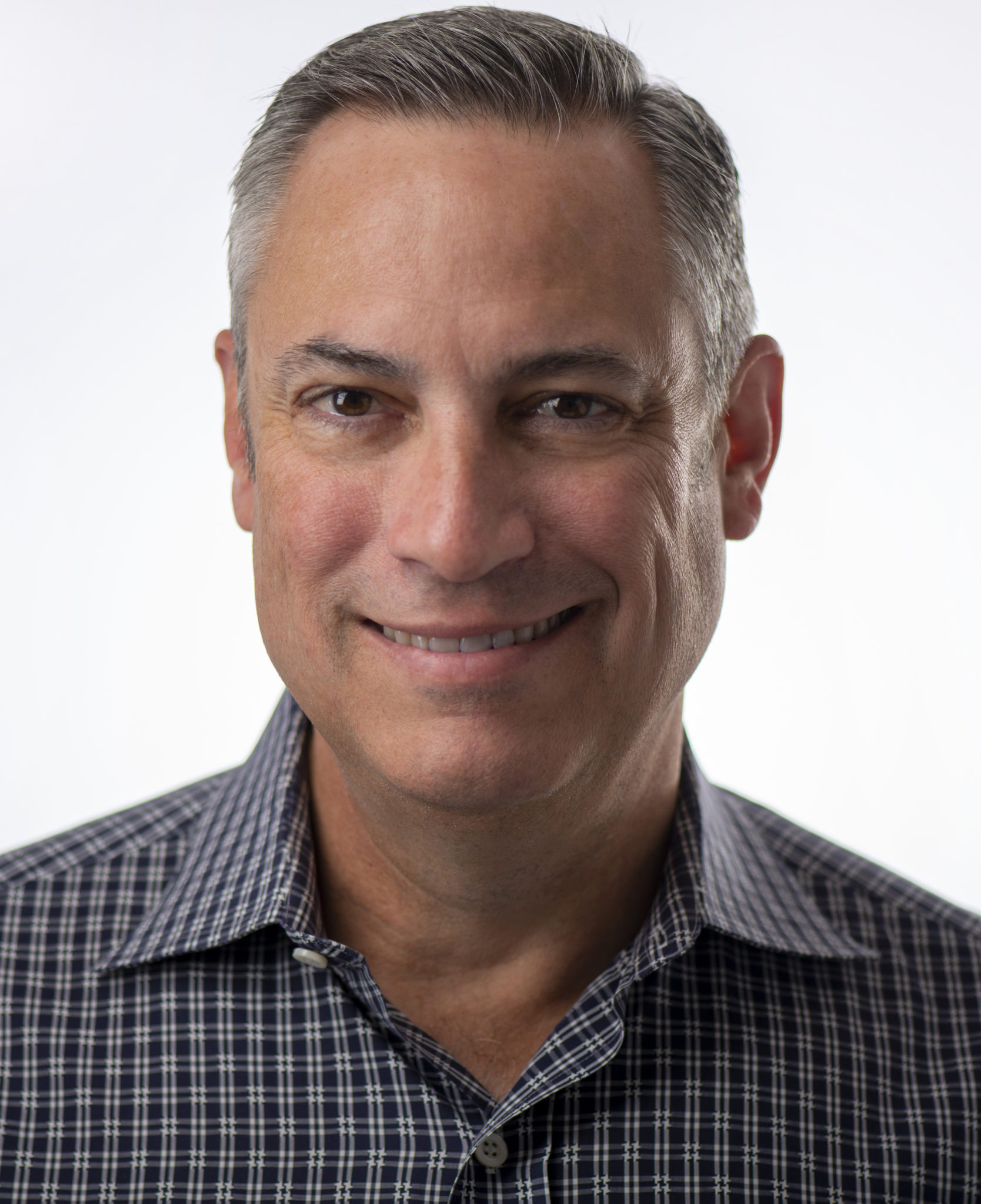
Tom DeLay
Tom serves as COO of Healthspottr and leads Healthspottr Capital. He has extensive experience setting up operating entities for financial and technology firms, working with partners and customers to develop new products and business strategies, and identifying and closing investment opportunities for financial and strategic buyers. Prior to joining Healthspottr, Tom held senior operating roles in three startups in technology (Bang Networks and BeNotified Software) and financial services (New Capital Markets). Tom is the CEO and Co-Founder of iHealth Analytics, a comparative analytics and resource utilization platform for payers and providers. tom@healthspottr.com

Larry Leisure
Larry is the Co-Founder of Healthspottr and serves as Chairman. His oversight and influence have been the driving force behind a number of successes across multiple companies on the leading edge of health tech and managed care. Providing better care at a fairer price point has been his guiding motivation, one that’s brought him real success in identifying and improving areas of need in the industry. As the Co-Founder and Former Chairman of ADVI’s Reimbursement and Health Policy Advisory Services, he worked with a dynamic executive team in the fields of Life Science, Managed Care, and Digital Health. In a field where cutting-edge technology can transform the world, his experience guided some of the most forward-thinking firms with an eye on bringing true benefit to patients, professionals, and investors alike. Larry also co-founded the Employer Health Innovation Roundtable (EHIR) which brings together large and progressive global employers. Larry was previously the global managing partner of Health Services at Accenture and he served as an Operating Partner and senior advisor to Kleiner, Perkins, Caufield & Byers, the Silicon Valley venture capital firm.
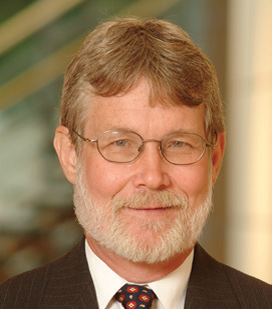
George Rehm
George has been a Board Advisor to Healthspottr since its inception and plays key roles in both our consulting and capital raise activities. He is a founding partner of aeris CAPITAL AG. He has over 30 years of experience as a lawyer and executive in international licensing, technology transfer, and investment and privatization transactions in the US, Europe and Asia. George has held board or observer positions in numerous transformational healthcare companies, including Crescendo Biosciences, Adamas Pharmaceuticals, and Ion Torrent, Inc. Currently, from a base in Northern California, George continues to manage the aeris Life Science portfolio and serves as a director of GenomeDx Inc., PFS Genetics, Butterfly Networks, LAM Therapeutics Inc., Solstice Biosciences, G2i and Jiff Inc. He received his BSFS from Georgetown University, and a JD from the University of California, Hastings College of Law in parallel to graduate studies in City Planning at the College of Environmental Design, UC Berkeley and served as graduate assistant at the Earl Warren Legal Institute, UC Berkeley, Boalt Hall. george@healthspottr.com

Camilo Barcenas
Camilo is a partner in our consulting practice and leads provider-focused engagements. He has over 20 years of experience in the areas of creating and bringing to market innovative solutions to improve patient care. Most recently, Mr. Barcenas has enabled both early-stage technology companies and clinically proven (mature) products to enter into the US healthcare market. Prior to working with Healthspottr, Mr. Barcenas was responsible for the installation, activation, and integration of technology at Stanford Health Care’s new $2 billion, state of the art hospital. In addition, Camilo has had major roles with leading hospitals and health systems across the United States as well as the founder and CEO of Dabo Health, a data analytics and social networking platform co-developed with the Mayo Clinic which demonstrably lowered patient readmissions and improved patient satisfaction scores. Camilo received a BA from Randolph-Macon College with a major in International Relations and Economics, an International MSM from Boston University, Brussels, Belgium. He attended the University of California, Berkeley, and the Graduate School of Business at Stanford University for professional certificates. camilo@healthspottr.com